Garden Clearance in Turnham Green

Garden clearance in Turnham Green should leave outdoor space ready for practical use, whether the job involves untidy borders, cutback growth, old pots, broken fencing or mixed green waste that has built up over time. We provide a clear, organised service that focuses on removing the material you no longer want and separating what can be recycled where possible. The aim is a straightforward outcome: a garden that is easier to use, easier to maintain and free from the clutter that has made ordinary upkeep more difficult.
Our work covers a wide range of outdoor clearances, from routine tidying to heavier loads that need sorting before removal. Garden waste, soil, branches, hedge cuttings, roots, plant containers and general outside rubbish can all be dealt with as part of one planned visit. If you are comparing options, our pricing and quotes page is a useful place to see how enquiries are handled before you ask for a quotation.
Because every garden is different, the most useful approach is to match the clearance to the actual site conditions. Some customers need a simple collection after pruning, while others need a fuller tidy-up that includes dismantling and taking away damaged garden items. If you need to speak to us directly, please contact us for a quotation request and share the basic details of the work you want completed.
What our garden clearance service can include
Garden clearance can be as focused or as broad as the site requires. We handle clearance work that removes the items and waste sitting in the garden, rather than leaving you to break the load down into several separate collections. That can include piles of prunings after seasonal work, bags of soil from planting jobs, broken plant supports, old timber, garden ornaments that are no longer needed and general debris gathered around sheds, paths or planting areas. The benefit is a cleaner starting point for whatever you plan to do next.
Where the garden has become overgrown, the task often begins with cutting back what is blocking access and lifting the waste in manageable sections. In other cases, it is mainly a matter of clearing stacked items from a patio, side return or rear boundary. We can also remove redundant outdoor furniture, damaged planters and mixed waste that has been left after work by a previous contractor. For a fuller overview of related removals, see our garden clearance page.
Our service is practical rather than decorative. It is designed to make the space usable again by removing the material that is in the way, not by redesigning the garden or carrying out planting work. If you are planning a wider clean-up, it helps to think in terms of what should stay, what should be cut back and what should be taken away. The better the description, the easier it is to prepare a suitable quotation. A short written note is often enough to begin with.
Handling green waste, soil and heavier outdoor materials

Not every clearance is light garden waste only. Some jobs involve heavier items such as compacted soil, broken slabs from small landscaping changes, tree roots, wet cuttings, old sleepers or mixed debris from a long-running tidy-up. These materials can take longer to sort and load because they are denser, heavier or awkward to carry safely. We work through the load in a sensible order so that recyclable material, reusable garden items and general waste are dealt with appropriately.
The type of waste affects the way a clearance is planned. Green waste is often best collected separately from broken timber or general rubbish, while mixed loads may need sorting before removal. If your garden includes items such as an old compost heap, rotted fencing, plant pots, disused edging or leftover materials from a small outdoor project, those details help define the work. For customers who want a broader household-related option as well, our home clearance page may be useful when indoor and outdoor items need to be discussed together.
We do not assume that every garden job is the same, and we do not treat all waste as though it were interchangeable. Some material can be collected quickly; some requires more careful handling because of weight, access or the way it has been stored. That is why it is useful to separate soft green waste from hard materials when you ask for a quotation. A clear description allows the work to be planned in a way that is both practical and proportionate.
Clearing patios, paths, sheds and storage areas
Many garden clearances in Turnham Green are not confined to the lawn or border. Patios, side returns, paths, sheds and the space beside fences often collect the items that no longer have a place elsewhere. These areas can contain broken tools, plant pots, old paving offcuts, unused compost bags, dismantled shelving and general clutter that makes it harder to move around safely. Clearing those spaces can change how the garden works day to day, because access routes become easier to use and stored items become easier to sort.
Where sheds and small storage spaces are involved, the task often includes removing the contents that have built up over several seasons. That might mean bagged waste, worn equipment, broken containers or mixed household and garden items that have been moved outside. When useful, the work can be coordinated with garage clearance if the same kind of sorting and removal is needed in another storage area on the property. The important point is to keep the job focused on what actually needs to go.
Practical preparation makes the visit smoother, but it does not need to be complicated. A quick note describing the main materials, an estimate of how much needs removing and any access points that matter is usually enough to get started. If there are items you want left in place, it helps to separate them before the clearance. Simple clarity saves time and reduces the risk of taking away something that should remain in the garden.
Choosing the right level of clearance work
Some customers want a light tidy after pruning or weeding, while others need a more involved clearance following months of accumulated waste. The right choice depends on how much material is present, what it is made of and how difficult it is to reach. A border full of cuttings may need a different approach from a yard that holds old timber, planters and bags of rubble. Our service is flexible enough to cover both simple and more involved outdoor clearances without forcing the work into a one-size-fits-all pattern.
The most useful decisions are usually about scope rather than style. Think about whether you want only the waste removed, whether overgrowth needs cutting back before loading, and whether the work includes fixed items such as damaged fencing or rotting timber. If you need a related removal service for outdoor fittings, our furniture disposal page explains one of the other item types we can handle when they are ready to leave the property.
Useful points to note before asking for a quotation: the rough amount of waste, whether it is loose or bagged, whether any items are heavy or awkward, and whether access is straightforward. You do not need to write a full inventory, but a few precise details help us understand the job properly. A small amount of preparation at the start often leads to a more accurate and more efficient plan for the work.
Responsible sorting and removal after clearance

Once garden waste has been collected, the next stage is sorting it in a sensible way. Green waste, timber, metal fittings, broken plastic pots and general rubbish are not all handled the same way, and it is useful to separate material where that can be done efficiently. A responsible clearance does more than simply move everything off site; it gives the different materials a better route through the disposal process. That is especially important when the garden contains a mixture of natural waste and leftover household items.
If your outdoor clearance overlaps with internal rubbish or property contents, it may be worth looking at our waste removal page as well. Some customers need one removal that covers several categories of material, while others only need the garden side dealt with. The service is arranged around the actual load and the specific items present, so that the clearance remains clear, tidy and proportionate to the task.
We also consider whether certain items should be kept separate because they are recyclable or because they require different handling from standard garden waste. That is one reason a good description at the quotation stage is helpful. It allows the load to be understood in practical terms rather than guessed from a general phrase. When a clearance is planned sensibly, the result is easier to manage and easier to finish well.
Turnham Green and the surrounding local character

About Turnham Green
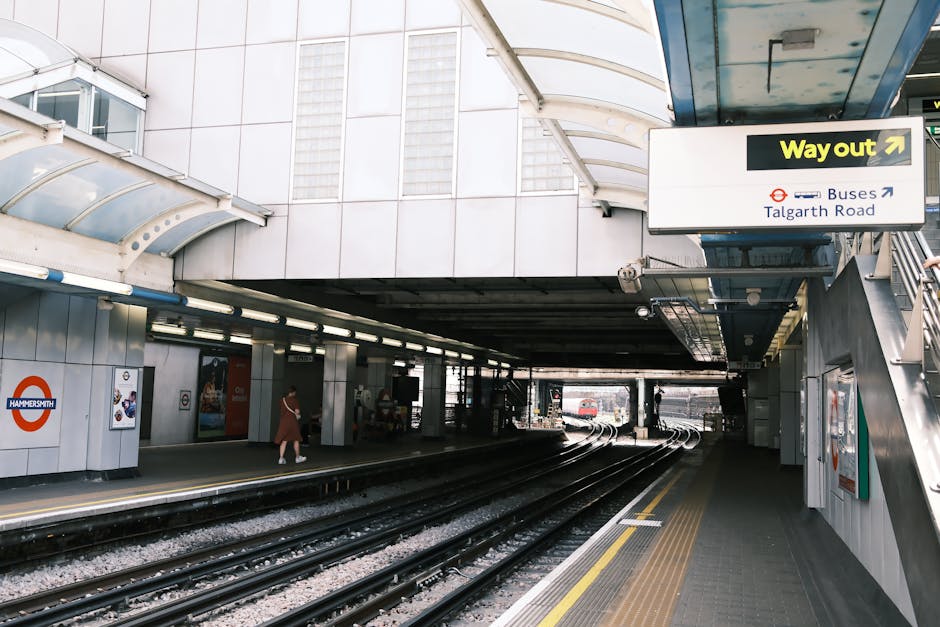
Turnham Green is a district in west London, set within the London Borough of Hounslow and closely associated with nearby Chiswick. The area takes its name from the historic green itself, a long-standing open space that sits beside the district’s busy transport corridor and local shopping streets. Turnham Green station is a familiar landmark on the Underground network, and the locality is also known for the nearby stretch of Chiswick High Road, which gives the area a strong urban character alongside its pockets of housing and planting. The Green has a notable place in local history because it was the scene of the Battle of Turnham Green in 1642, during the English Civil War, an event commemorated in the area’s historical identity even though the landscape around it has changed greatly since then. Today the district combines Victorian and later residential streets with commercial frontages, churches, cafes and walkable routes that connect it to the wider western London corridor. The area’s open spaces and tree-lined streets help distinguish it from denser parts of the city, while nearby parks and commons add to the sense of a lived-in neighbourhood with both movement and quiet corners. As a place name, Turnham Green refers not only to the historic open space but also to the surrounding locality, where transport, local trade and residential life meet in a compact urban setting.
Garden clearance for recurring upkeep and seasonal change
Some clearance work is tied to a single project, but a lot of outdoor waste appears with the seasons. After the growth of spring and summer, or after a period when the garden has not been used much, cuttings and debris can begin to collect faster than expected. Seasonal clearance helps reset the space so that routine maintenance becomes more manageable again. That may involve hedge trimmings, fallen branches, old compost bags, worn-out growing containers or material gathered after a long stretch of wet weather.
If the garden has both residential and work-related elements, or if outdoor storage also needs attention, it can be useful to check our business waste removal page for another organised removal option. Not every site is the same, and not every clearance fits neatly into one category, so the work is always planned around what is actually present. In practical terms, that means we can focus on the items that have become surplus without turning the visit into an unnecessary overhaul.
Good timing can make a noticeable difference to the effort involved. Clearing before waste becomes compacted or waterlogged is often easier than waiting until it has spread further or become harder to move. Equally, a garden that has been left for a while may simply need a more thorough first pass before regular upkeep can resume. Either way, the aim is to make the space easier to use and easier to look after.
Planning a quotation for the work
To prepare a quotation, we need a clear picture of the garden items to be removed and how much of the space is affected. That does not mean you need to catalogue every leaf or twig. A sensible overview of the main waste, the approximate volume and any access considerations is enough to begin. If there are items in more than one part of the garden, it is helpful to mention that so the job can be assessed as a whole rather than in fragments.
Useful details may include whether the waste is bagged, piled, loose or mixed; whether there are awkward items such as old timber or broken furniture; and whether the clearance needs to include small dismantling or moving items from a shed or rear corner. If you are comparing service options, the flat clearance page shows another way we organise removal jobs when the contents are mainly stored indoors rather than outside.
Two simple steps usually help most: identify what should be removed, and separate anything you want to keep. That keeps the quotation focused on the real work, reduces confusion and helps ensure the clearance is scoped properly from the start. When the brief is clear, the job is easier to plan and less likely to need unnecessary follow-up.
Garden items, fittings and mixed outdoor contents

Garden clearances often involve more than plant matter. Outdoor spaces can contain broken tables, old chairs, rusting fittings, plant stands, ornaments, damaged wheelbarrows, spent bags of compost and surplus materials left after small DIY or landscaping tasks. Handling mixed outdoor contents requires a practical approach, because the items may need to be loaded in different ways and separated from soft garden waste. We organise the work so that everything is removed in a controlled and tidy manner.
When the job also includes larger domestic items stored outside, you may find our furniture clearance page helpful, particularly if seats, tables or similar items are part of the load. The best results come from matching the collection to what is actually there rather than trying to squeeze the work into a narrow description. If the garden contains a mixture of old fittings and natural waste, that mixture can be assessed together.
The final result should feel straightforward: what remains is the garden, not the clutter. That is why we keep the emphasis on accurate description, careful handling and practical removal. When you are ready to move ahead, request a quotation and we will use the details you provide to shape the clearance around the actual work required.
Making the most of the cleared space
Once the unwanted material has been removed, the space can be used in a more deliberate way. Some people want room for planting, while others simply want access to be easier and storage areas less cramped. A successful garden clearance is not just about taking things away; it is about leaving behind a space that can be used with less effort. Even a modest clearance can make paths clearer, corners easier to reach and the overall garden easier to keep in order.
In properties where outdoor and indoor items are both under review, it can help to think about the clearance as part of a wider tidy-up rather than a single isolated task. That is why we make room for linked removal needs when they are genuinely present, while still keeping the work centred on the main garden job. If you need another example of a related service area, our house clearance page covers a different kind of property-wide removal work.
Tell us what is staying, what is going and what access is available, and we can take it from there. A clear brief helps us offer a quotation that reflects the actual task rather than a guess. If you have been putting the clearance off because the space feels awkward or crowded, now is a sensible time to ask for a quotation and get the job moving.