PPE Waste Disposal - Protecting Nature and Ourselves
In recent years, the use of Personal Protective Equipment (PPE) has become crucial not only for safeguarding public health but also for protecting our environment. The unprecedented surge in PPE usage, especially during the COVID-19 pandemic, has highlighted both the significance of these items and the environmental challenges they bring. Understanding proper PPE waste disposal methods is essential for securing the health of individuals and minimizing the impact on nature.
Understanding PPE and Its Importance
PPE, or Personal Protective Equipment, includes items such as masks, gloves, gowns, face shields, and shoe covers. PPE protects individuals from infectious agents, hazardous chemicals, and various environmental dangers in healthcare, industrial, and day-to-day settings. However, when these items become waste, they can endanger wildlife, pollute ecosystems, and pose risks to public health if not disposed of properly.
Why Is Proper PPE Waste Management Crucial?
- Human Health: Used PPE can carry harmful pathogens, spreading infection if left unattended.
- Environmental Impact: Non-biodegradable PPE products contribute to landfills and ocean pollution.
- Wildlife Threat: Animals may ingest or become entangled in disposed PPE, often fatally.
- Aesthetic Damage: Littered face masks and gloves degrade the aesthetic value of natural landscapes.

Types of PPE Waste
Before diving into effective PPE waste disposal strategies, it's important to categorize PPE waste:
- Single-Use PPE: Items like disposable masks, gloves, and gowns are intended for a single use and are made from various plastics.
- Reusable PPE: This includes washable masks or lab coats, designed for multiple uses before eventual disposal.
- Hazardous PPE Waste: Contaminated with infectious or toxic substances, requiring special disposal methods.
Environmental Impact of PPE Waste
PPE Pollution in Land and Water
The improper disposal of PPE has led to a significant increase in environmental pollution. Plastic-based PPE items, once discarded, can persist in the environment for several years, breaking down into microplastics that infiltrate soil, rivers, and oceans. Marine animals are particularly at risk, often mistaking fragments for food, which leads to injury or death.
According to estimates, billions of single-use masks are discarded globally every month. When not managed correctly, these end up clogging drains, polluting parks, and contaminating water bodies. The environmental legacy of PPE pollution threatens biodiversity, food chains, and even human health through the ingestion of microplastics.
Evolution of PPE Waste Disposal Methods
Historically, PPE waste from hospitals and laboratories was handled as part of medical waste. However, the massive increase in domestic and public PPE use has created new challenges and necessitated the development of effective disposal protocols. Disposal strategies must balance infection risk mitigation and environmental safety.
Traditional PPE Waste Disposal Options
- Incineration: Common for hazardous and infectious PPE waste, incinerates pathogens but produces greenhouse gases.
- Landfilling: Widely used for non-infectious PPE, though it contributes to long-term environmental pollution.
- Autoclaving: Uses steam to sterilize and allow for safe handling, often combined with further treatment.
Modern Innovations in PPE Waste Management
- Chemical Disinfection: Breaking down PPE using safe chemical solutions, especially for certain plastics.
- Pyrolysis and Gasification: Advanced thermal technologies converting waste to energy while minimizing emissions.
- Recycling and Upcycling: New methods separate and repurpose plastic PPE into industrial materials or energy.
Proper PPE Waste Disposal Practices
For Individuals
Everyone must take responsibility for the correct disposal of personal protective gear. Below are practical steps for safe PPE waste disposal at home and in public spaces:
- Use Designated Bins: Wherever possible, deposit used masks and gloves in bins labeled for PPE waste.
- Don't Recycle via Curbside Programs: Most local recyclers do not accept PPE as it can contaminate other recyclables and endanger workers.
- Bag and Seal: Place used PPE in a plastic bag, tie it securely, and dispose of it in general waste if dedicated bins are unavailable.
- Cut Mask Straps: Snip the ear loops before disposal to prevent wildlife from getting entangled.
- Practice Hand Hygiene: Always wash or sanitize your hands thoroughly after handling PPE waste.
For Businesses and Organizations
Organizations, healthcare facilities, and workplaces generate substantial volumes of PPE waste. Implement these strategies to ensure both workplace safety and environmental protection:
- Implement PPE Disposal Protocols: Clearly outline steps for employees regarding the segregation, handling, and disposal of used PPE.
- Provide Clearly Marked Disposal Points: Strategically place labeled PPE bins in entrances, exits, and high-traffic areas.
- Contract Approved Waste Handlers: Partner with licensed waste management companies specializing in PPE and medical waste.
- Education and Training: Conduct regular sessions for staff on the importance of PPE waste management and updated protocols.
- Monitor and Report: Keep records of PPE waste generation, disposal, and audits for continuous improvement.
Recycling and Reusing PPE: Possible Solutions for the Future
The vast majority of PPE is designed for single use, making traditional recycling a challenge. However, ongoing research and development are offering hope:
Innovative PPE Recycling Programs
- Specialized Recycling Streams: Some companies have started programs collecting masks and gloves for processing into plastic pellets, which are then used in construction materials or furniture manufacturing.
- Thermal Conversion: Technologies like pyrolysis allow for the breakdown of plastic-based PPE into energy sources or new materials.
- Biodegradable PPE: Researchers are developing PPE from plant-based polymers that safely break down in the environment, reducing landfill contributions.
Government Regulations and Guidelines
Global health agencies and environmental bodies have issued several guidelines for PPE waste disposal, aiming to balance infection control with nature conservation.
Key International Guidelines
- World Health Organization (WHO): Emphasizes segregation at source, safe containment, and use of incineration or sterilization for infectious PPE waste.
- Environmental Protection Agency (EPA): Focuses on environmental safety, recommending against flushing PPE or mixing with recyclables.
- Local Legislation: Various countries have developed region-specific policies to manage both healthcare and community PPE waste.
Individuals and organizations should remain informed about local PPE disposal policies and support efforts towards eco-friendly solutions.
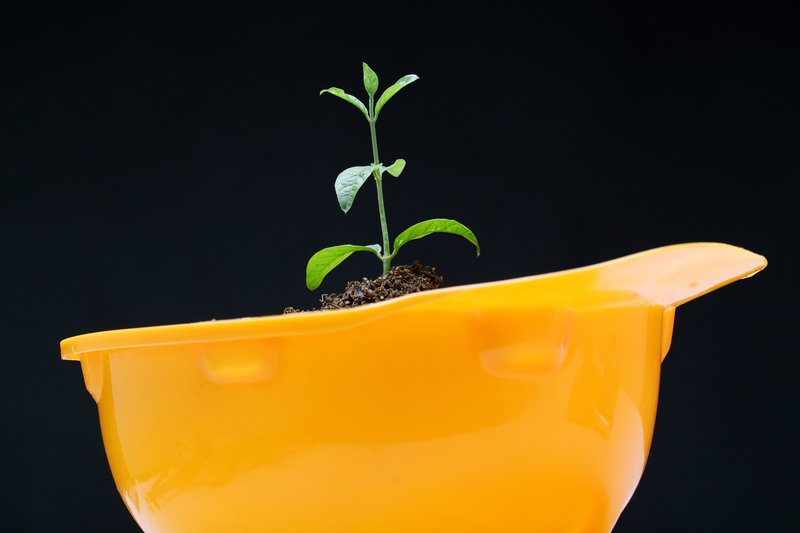
What Can You Do to Reduce PPE Waste?
Tips for Individuals and Communities
- Choose Reusable PPE: Opt for cloth masks or washable equipment when appropriate.
- Support Local Recycling Initiatives: Participate in community drives or programs offered by manufacturers and retailers.
- Educate Others: Share information about the environmental impacts of improper PPE disposal.
- Encourage Innovation: Advocate for research into biodegradable and recyclable PPE alternatives.
Conclusion: Our Shared Responsibility
Proper PPE waste disposal is essential for the protection of people and the planet. As PPE continues to play a vital role in public health, we must balance its benefits with strategies that protect nature. Through conscientious disposal, support for recycling innovations, and robust education, we can mitigate the negative impacts of PPE waste. By making informed choices and championing best practices, we will ensure a healthier, cleaner, and safer world for future generations.
Let us all take action today - for ourselves, for our communities, and for the natural world that sustains us.